If your car air con takes too long to cool the cabin, has weak airflow,…
What Makes A 4×4 Mechanic Different From A General Auto Mechanic
Weekend tracks, beach runs and towing setups can place very different demands on a vehicle compared to the average daily commute. While many standard passenger vehicles spend most of their time on sealed roads, 4x4s are often exposed to mud, water crossings, uneven terrain, heavy loads and long-distance touring conditions. That extra strain changes how components wear, how servicing is approached and what kinds of problems are likely to appear over time.
For owners searching for a mechanic on the Sunshine Coast for four-wheel drive servicing, it helps to understand why 4×4 vehicles are often handled differently from standard passenger cars. From suspension systems and driveline components to off-road accessories and towing performance, these vehicles usually require more specialised attention than a general automotive service alone.
4×4 Vehicles Operate Under Different Conditions
A standard passenger car and a four-wheel drive may share some mechanical similarities, but their operating conditions are often worlds apart. Off-road driving introduces ongoing exposure to vibration, impact, moisture, dust and heavy load distribution.
That environment can affect components differently compared to regular suburban driving, particularly in areas like:
- Suspension systems
- Wheel bearings
- Differentials
- Transfer cases
- Undercarriage protection
- Cooling systems
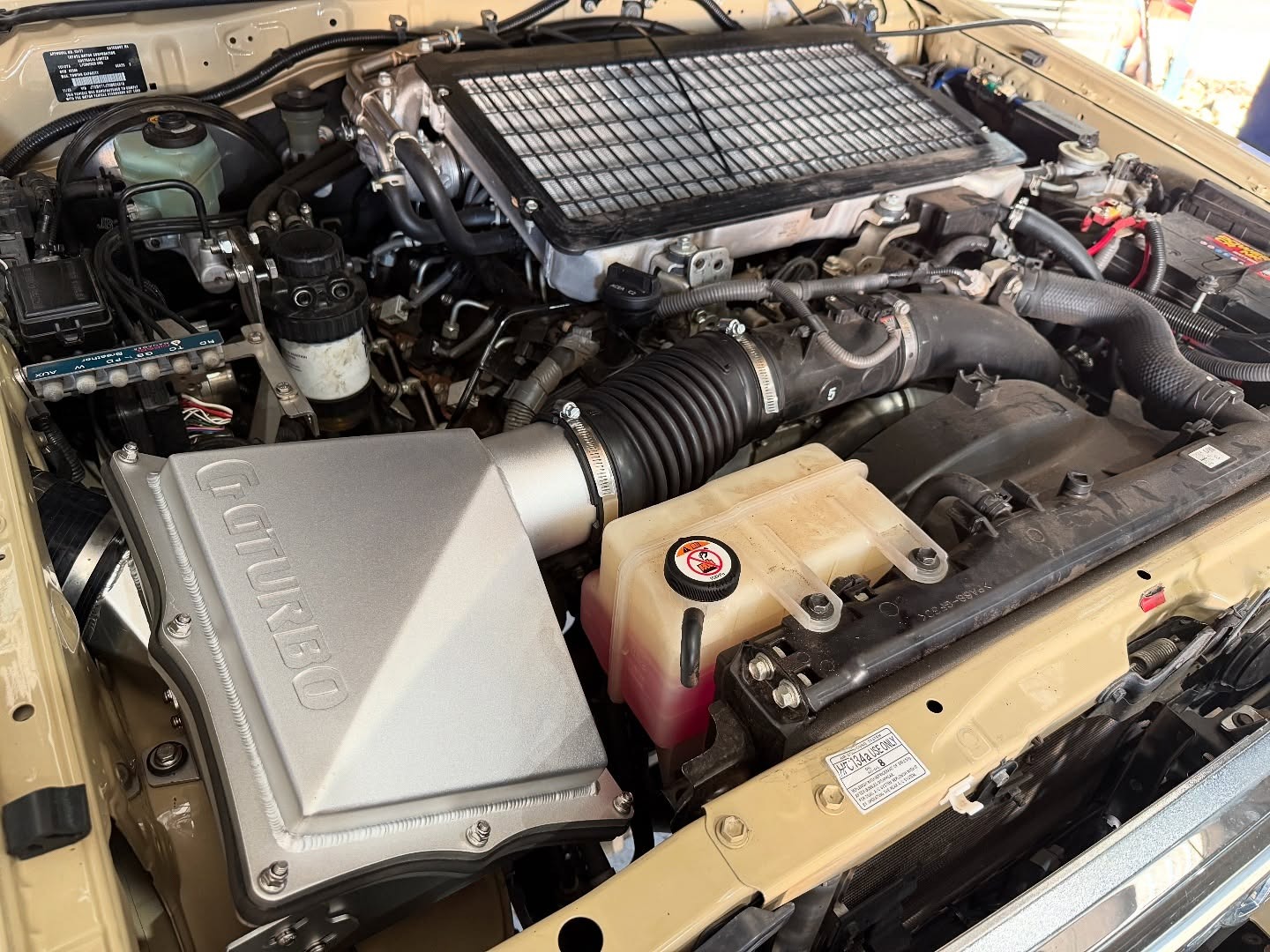
A 4×4 mechanic on the Sunshine Coast is often more familiar with identifying wear patterns linked to off-road use. Issues that may not appear during standard servicing can become more noticeable when a vehicle is used for towing, beach driving or rough terrain travel.
Driveline Systems Are More Complex
Four-wheel drives use additional driveline components that are not always present in regular passenger vehicles. Alongside the transmission and standard differential setup, many 4x4s include transfer cases, front and rear locking hubs, low-range gearing and dual differential systems.
These systems require servicing checks that go beyond a standard oil change or brake inspection. Components may need monitoring for fluid contamination, leaks, vibration or unusual driveline movement.
A mechanic working regularly with four-wheel drives may commonly inspect:
- Front & rear differential oils
- Transfer case operation
- CV joints & boots
- Tailshaft movement
- Universal joints
- Hub assemblies
Vehicles that frequently tow caravans, trailers or boats can place additional stress on these systems over time.
Suspension Setups Often Need Closer Attention
Suspension in a 4×4 vehicle is commonly modified or upgraded to suit touring, towing or off-road driving. Lift kits, heavy-duty springs and upgraded shock absorbers all change how the vehicle handles weight distribution and terrain impact.
Unlike standard passenger vehicles, 4×4 suspension systems are often carrying:
- Recovery gear
- Roof racks
- Camping equipment
- Tool storage
- Bull bars & winches
- Long-range fuel tanks
These additions can influence steering alignment, braking behaviour and tyre wear patterns. A mechanic on the Sunshine Coast may pay closer attention to suspension geometry, bush wear and load-related strain across steering components.
Regular checks can also help identify uneven tyre wear that may be linked to suspension movement or alignment changes following off-road use.
Off-Road Accessories Can Affect Vehicle Performance
Many four-wheel drives include aftermarket accessories that alter the vehicle’s original design and operating load. While these additions are common for touring and recreational use, they can also affect braking, cooling and electrical systems.
Some examples include:
- Dual battery systems
- Electric brake controllers
- Spotlights & light bars
- Winches
- Snorkels
- UHF radio installations
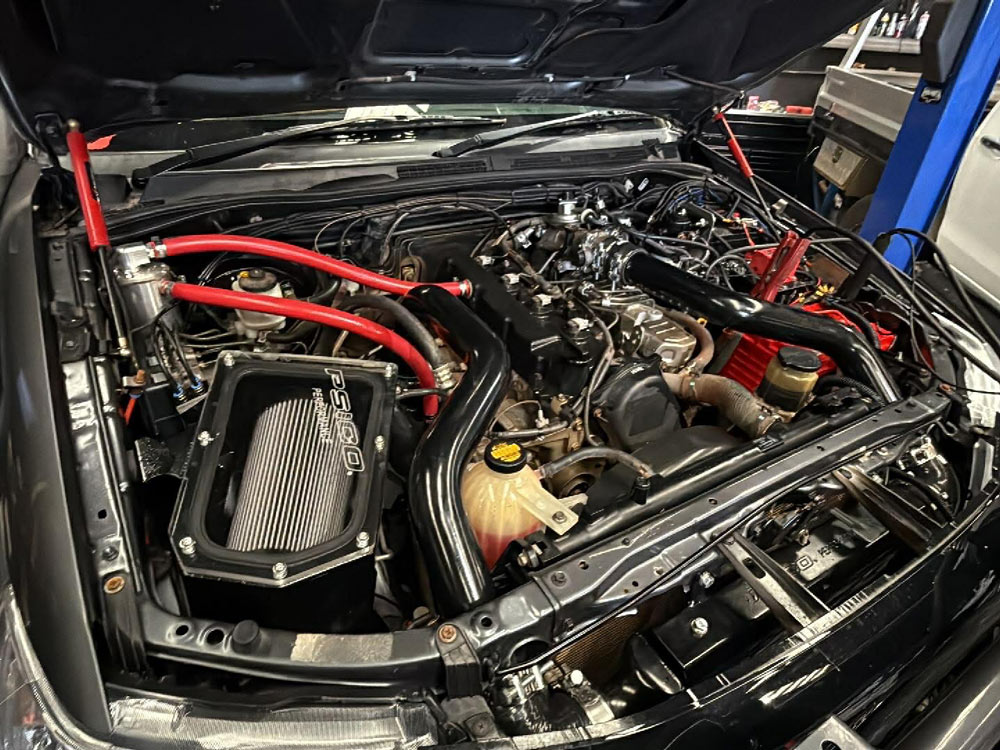
These modifications may interact with the vehicle’s factory wiring, battery load and engine airflow. A 4×4 mechanic on the Sunshine Coast may be more familiar with how these additions influence vehicle operation during long-distance travel or off-road conditions.
Electrical faults, battery drain and charging concerns are more common in vehicles running multiple accessory systems.
Tyres & Wheel Alignment Play a Bigger Role
Tyre selection is a major factor in four-wheel drive performance. Unlike standard road tyres, many 4x4s use all-terrain or mud-terrain tyres designed for varying surfaces and load conditions.
These tyres can influence:
- Steering feel
- Fuel consumption
- Braking distance
- Suspension response
- Road noise
- Tyre wear rates
Wheel alignment requirements may also differ depending on lift kits, suspension changes and towing setups. Off-road driving can place additional strain on steering and suspension angles, especially after repeated impact from corrugated roads or rough tracks.
A mechanic for four-wheel drive servicing may monitor tyre wear more closely to identify issues linked to alignment movement or suspension stress.
Cooling Systems Are Often Under Greater Load
Four-wheel drives used for towing or remote travel frequently operate under higher engine loads for extended periods. Sand driving, steep terrain and warm weather can all place added pressure on engine cooling systems.
Cooling system inspections in 4×4 vehicles may involve closer attention to:
- Radiators
- Cooling fans
- Hoses & clamps
- Thermostats
- Transmission coolers
- Coolant condition
Vehicles fitted with bull bars, spotlights or aftermarket airflow modifications can sometimes experience restricted airflow into the radiator area.
Overheating risks may also increase when towing heavy loads over long distances or travelling through slow-moving off-road terrain.
Servicing Intervals May Change Depending on Usage
A general passenger vehicle driven mostly on sealed roads may follow predictable servicing intervals based on kilometres travelled. Four-wheel drives, however, often require servicing adjustments depending on how and where the vehicle is used.
Driving through mud, water, sand or dust can accelerate contamination and wear in key components.
For example, off-road conditions may affect:
- Air filters
- Differential oils
- Brake systems
- Bearings
- Suspension bushes
- Underbody components
Vehicles used regularly for towing may also experience higher transmission temperatures and increased brake wear. A 4×4 mechanic for routine maintenance may recommend inspections based on driving conditions rather than kilometre intervals alone.
Diagnostic Approaches Can Differ for 4×4 Vehicles
Modern four-wheel drives often combine advanced electronics with heavy-duty mechanical systems. Diagnosing issues can involve more than standard fault code scanning, particularly when problems appear intermittently under load or during off-road driving conditions.
Some issues may only become noticeable when:
- Low-range gearing is engaged
- The vehicle is towing
- Suspension is under compression
- Driveline components are loaded unevenly
- Electrical accessories are operating simultaneously
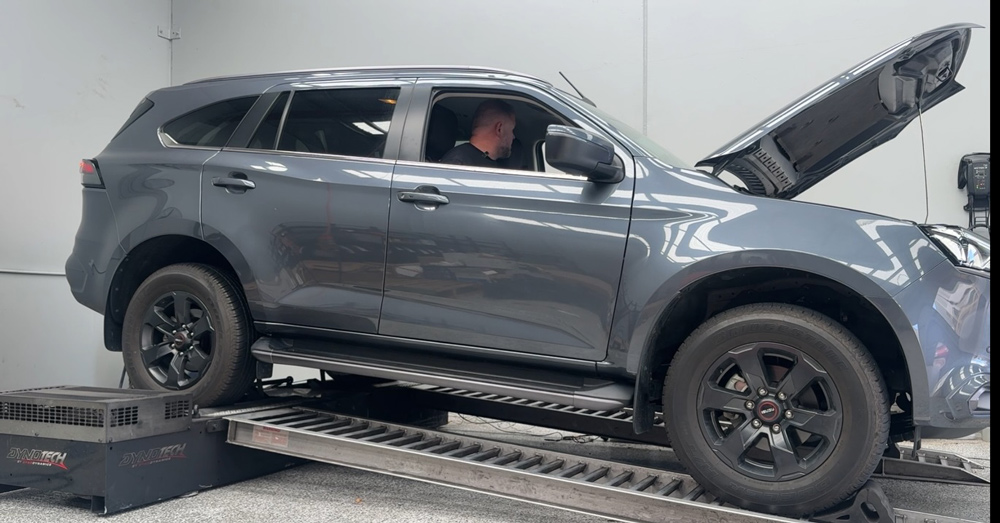
A mechanic may spend more time assessing how modifications, towing setups and off-road usage interact with the vehicle’s overall operation. That broader inspection process can help identify concerns that may not appear during a quick standard service.
Choosing the Right Support for a Four-Wheel Drive
Not every vehicle is used the same way, and four-wheel drives often face conditions that create different maintenance demands compared to standard passenger cars. From driveline servicing and suspension checks to towing-related wear and accessory integration, these vehicles commonly require a more tailored servicing approach.
At Procheck Automotive, we work with drivers looking for a mechanic on the Sunshine Coast for routine servicing, inspections and maintenance support for both everyday driving and off-road use. Whether your 4×4 is used for towing, touring or weekend beach trips around the Sunshine Coast region, contact us to book a service or discuss your vehicle requirements.
Related Posts