Weekend tracks, beach runs and towing setups can place very different demands on a vehicle…
Why Engine Cooling Maintenance Is Critical For Off-road Vehicles
Engine cooling maintenance is critical for off-road vehicles because demanding terrain, low-speed driving, heavy loads and hot conditions can make an engine work much harder than it does during everyday road use. For 4×4 owners, keeping the cooling system in good condition helps prevent overheating, engine damage and avoidable breakdowns.
If you regularly take your vehicle off-road around the Sunshine Coast or use it for touring, towing or beach driving, cooling system checks should form part of routine maintenance. Waiting until the temperature gauge starts climbing can mean a problem has already developed.
Why Do Off-Road Vehicles Face a Higher Risk of Overheating?
Off-road driving can place sustained loads on an engine while providing less airflow through the radiator. On a highway, consistent forward speed helps move air through the radiator and carry heat away. On a slow, technical track, the engine may work hard even though the vehicle is moving at a low speed.
Steep climbs can increase the load further. Sand, mud and uneven terrain create additional resistance, while towing a camper trailer or carrying recovery equipment, camping gear and extra fuel adds more weight.
Conditions that can increase cooling demands include:
- Slow driving on steep or technical tracks
- Soft-sand and beach driving
- Towing caravans, boats or camper trailers
- Heavy vehicle loads
- High ambient temperatures
- Mud, dust, grass or debris restricting radiator airflow
- Long periods of low-range driving
A cooling system that performs adequately during normal commuting may reveal weaknesses once the vehicle starts working harder off-road.
How Does an Engine Cooling System Protect Your 4×4?
Your vehicle’s cooling system controls engine operating temperature by circulating coolant through the engine and transferring excess heat through the radiator. Several components need to work together correctly for this process to remain effective.
The system typically relies on the radiator, coolant, water pump, thermostat, cooling fans, hoses, pressure cap and associated sensors. A problem with one component can reduce the performance of the entire system.
A thermostat that does not open correctly can restrict coolant circulation. A worn hose can develop a leak under pressure, while a radiator partially blocked by dirt or internal deposits may struggle to dissipate enough heat when the engine is under sustained load.
According to industry best practice, inspecting these components as part of preventative vehicle maintenance is preferable to relying solely on the temperature gauge to indicate a developing problem.
Why Is Cooling System Maintenance Important When Visiting a Mechanic on the Sunshine Coast?
A mechanic Sunshine Coast service for an off-road or 4×4 vehicle should account for how and where the vehicle is actually driven. A vehicle that regularly tackles beaches, unsealed tracks or towing duties can experience different stresses from a car used mainly for suburban commuting.
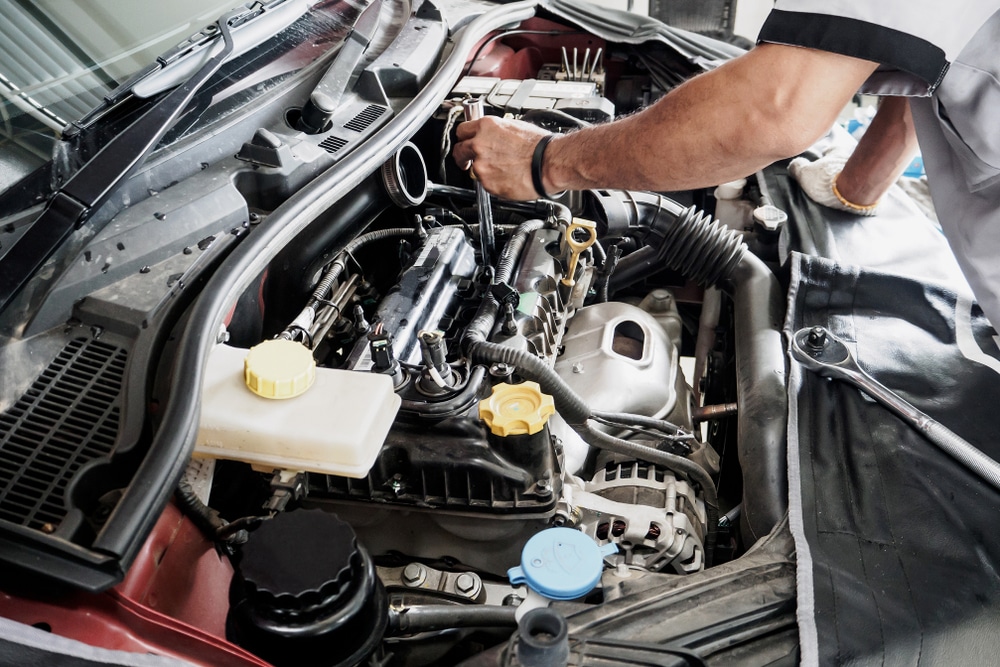
Cooling system maintenance can involve checking coolant condition and level, inspecting hoses and connections, assessing the radiator, looking for leaks and confirming that cooling fans and related components operate correctly. The exact checks required will depend on the vehicle, its service history and how it is used.
Sunshine Coast conditions can also expose off-road vehicles to sand, dust, mud and vegetation. Material accumulating around the radiator or cooling components can restrict airflow, so inspecting and cleaning these areas after demanding trips can help maintain effective heat transfer.
Regular servicing gives your mechanic an opportunity to identify deterioration before the vehicle is placed under heavy load on a remote track.
What Are the Warning Signs of an Engine Cooling Problem?
An overheating engine is an obvious warning, but cooling system faults can produce less dramatic symptoms first. Recognising them early can reduce the chance of a minor issue developing into a major repair.
Watch for:
- A temperature gauge reading higher than normal
- Temperature readings that fluctuate unexpectedly
- Coolant warning lights
- Coolant visible beneath the vehicle
- A sweet coolant smell around the engine bay
- Steam coming from beneath the bonnet
- A frequent need to top up coolant
- Cracked, swollen or deteriorated radiator hoses
- Cooling fans that do not operate as expected
Do not assume that repeatedly topping up coolant solves the underlying problem. Coolant loss can indicate a leak or another cooling system fault that requires diagnosis.
If the engine temperature rises significantly while driving, continuing to push the vehicle can increase the risk of serious engine damage. Follow the manufacturer’s guidance for your vehicle and arrange a professional inspection where necessary.
How Can Off-Road Driving Affect the Radiator and Coolant?
The radiator sits in a vulnerable position because it needs substantial airflow to remove engine heat. During off-road use, its external surfaces can collect mud, dust, seeds, insects and other debris.
A radiator that looks fine from the engine bay may still have restricted airflow through its fins. Careless high-pressure cleaning can also damage delicate radiator fins, so cleaning methods should suit the vehicle and the type of contamination.
Coolant condition matters as well. Engine coolant does more than manage temperature. The correct coolant also helps protect cooling system components against corrosion. Using an unsuitable coolant, mixing incompatible products or using an incorrect coolant-to-water mixture can compromise system performance.
Vehicle owners should follow the manufacturer’s coolant specification and replacement interval rather than choosing coolant based only on colour.
When Should You Have Your 4×4 Cooling System Checked?
Cooling system inspections should follow the manufacturer’s servicing requirements, but off-road use can justify additional attention. Consider arranging a check before a major 4×4 trip, particularly if you plan to travel in hot weather, tow a heavy load or spend significant time in remote areas.
It also makes sense to inspect the vehicle after especially demanding trips. Deep mud, beach driving and dusty tracks can leave contamination around components even when the vehicle experienced no obvious mechanical problem during the trip.
Consider a 4×4 owner preparing to tow a camper on a trip involving highway driving, soft sand and steep low-range sections. The vehicle behaves normally during everyday commuting, so the owner assumes the cooling system needs no attention.
During a pre-trip inspection, a mechanic finds a deteriorating radiator hose and restricted airflow through part of the radiator. Addressing those issues before departure reduces the risk of discovering them when the engine is working at its hardest and assistance may be difficult to access.
The key point is that normal road performance does not always demonstrate how a cooling system will cope with demanding off-road conditions.
How Can You Check Your Cooling System Before an Off-Road Trip?
Basic pre-trip checks can help identify visible problems, although they do not replace professional servicing.
Before heading off-road:
- Check the coolant level when the engine is cold and follow the vehicle manufacturer’s instructions.
- Look beneath the vehicle and around the engine bay for signs of coolant leaks.
- Inspect accessible hoses for cracking, swelling or obvious deterioration.
- Check the front of the radiator and surrounding areas for anything that could restrict airflow.
- Monitor the temperature gauge during normal driving and investigate unusual behaviour before the trip.
- Confirm that your vehicle is up to date with scheduled servicing.
Never remove a radiator or cooling system pressure cap while the engine is hot. Pressurised hot coolant can cause serious burns.
For vehicles used regularly in demanding environments, professional inspections can also identify issues that are difficult to detect through a visual check alone.
Why Choose a Car Mechanic in Caloundra Who Understands 4×4 Use?
The way a vehicle is used matters when diagnosing problems and planning preventative maintenance. When speaking with a car mechanic in Caloundra drivers should explain whether their vehicle regularly tackles beach tracks, carries heavy accessories, tows or spends extended periods in low range.
That information gives the mechanic useful context. Recurring temperature increases during soft-sand driving, for instance, may require a different diagnostic approach from an overheating problem that occurs during ordinary highway cruising.
It is also worth telling your mechanic about modifications. Bull bars, driving lights, winches and other accessories positioned around the front of a 4×4 can affect airflow depending on their installation. Engine and drivetrain modifications can also change the demands placed on the vehicle.
How Can Regular Cooling System Maintenance Help Prevent Off-Road Breakdowns?
Preventative maintenance helps identify cooling system wear while the vehicle is in a workshop rather than stranded on a track. It also creates an opportunity to assess the cooling system as a whole instead of replacing individual components only after they fail.
For off-road owners, that preparation becomes particularly important before long trips. A relatively small cooling system issue can become much more serious when combined with heavy loads, hot weather, steep terrain and limited access to roadside assistance.
If your 4×4 is due for servicing, showing cooling system warning signs or preparing for a demanding trip, Procheck Automotive can assess your vehicle and its maintenance requirements. Contact our team to arrange a mechanic service on the Sunshine Coast and discuss how you use your 4×4 so the appropriate checks can be completed before your next trip.
Frequently Asked Questions
Can off-road driving cause an engine to overheat?
Yes. Slow speeds, steep terrain, soft sand, heavy loads and hot weather can increase engine workload while reducing natural airflow through the radiator. Existing cooling system problems may become more noticeable under these conditions.
How do I know if my 4×4 cooling system needs attention?
Higher-than-normal temperature readings, coolant loss, leaks, steam, coolant smells and deteriorated hoses can indicate a problem. Even without obvious symptoms, regular inspection is worthwhile if the vehicle frequently operates off-road or under heavy loads.
Should I check my cooling system before a 4×4 trip?
Yes, particularly before remote travel, towing or driving in demanding conditions. Check coolant levels, visible hoses, leaks and radiator airflow, and arrange professional servicing if the vehicle is due or you notice anything unusual.
Can mud and sand affect a 4×4 radiator?
Yes. Mud, sand, dust and other debris can restrict airflow through the radiator and reduce its ability to dissipate heat. Inspecting cooling components after demanding off-road trips can help identify contamination or damage.
What coolant should I use in my 4×4?
Use coolant that meets the vehicle manufacturer’s specification. Coolant products are not interchangeable simply because they appear to be the same colour, so check the owner’s manual or obtain advice from a qualified mechanic.
How Often Should an Off-Road Vehicle’s Cooling System Be Serviced?
Follow the manufacturer’s scheduled maintenance requirements as a baseline. Vehicles exposed to frequent off-road driving, towing, heavy loads or harsh environments may benefit from additional inspections based on their condition and usage.
Related Posts